

Keep warm the energy saving way!
You are here: Home > Keep warm the energy saving way!
Heating the home and providing hot water can account for 60% of an average household’s energy costs. Here are some tips that will reduce your energy use without compromising on comfort.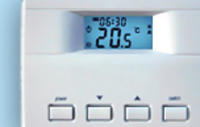
- Maintenance is always good value.
- A boiler works much more efficiently if it is regularly serviced.
- Before the heating season starts, bleed your radiators to get rid of any trapped air.
- Get the temperature right – set your room thermostat to between 18-21°C, and then leave it alone!
- Use a thermometer in each room (about 1.6m off the floor and out of direct sunlight) to check the temperature is right for that room. Does your spare room need to be 21°C?
- If you have thermostatic radiator valves, use them to reduce the temperature of those rooms you don’t use very often.
- Ensure there isn’t any furniture blocking your heating appliances and preventing the circulation of heat.
Top tip activity
Try inserting insulating reflector panels behind those radiators that are fixed to external walls. This can be done without removing the radiators. You can buy purpose made ones from most DIY stores or make your own using cardboard and aluminium foil.
Want to do more?
If your heating controls are over 12 years old it is worth investing in new ones. This can be done without replacing the boiler and allows you to move the room thermostat to a suitable location and not in the hallway, opposite the front door!
Did you know?
The temperature you feel in a building is in reality, an average taken from the air temperature and the temperature of the walls. This is why you might feel cold in a place that is badly insulated, with cold walls, even though the air is at a comfortable temperature. For example, if the temperature of the air is 19°C but the temperature of the walls is only 15°C, what you will feel will be closer to 17°C. You would have to boost the air temperature to 24°C in order to feel warmer, with a perceived air temperature of 20°C.